How 3D Visualization is Transforming the Passenger Experience in Aviation


The aviation industry is undergoing a major digital transformation. Today's passengers expect more transparency, personalization, and confidence when booking their journeys. Traditional seat maps and static cabin images are no longer sufficient to meet these expectations.
As airlines compete to enhance customer satisfaction and increase ancillary revenue, 3D visualization technologies are becoming an essential part of the passenger experience.
The Evolution of Airline Customer Experience
For many years, airline booking systems relied on simple 2D seat maps and generic cabin photos. While functional, these tools often left passengers uncertain about the actual cabin environment, seat location, legroom, and onboard amenities.
Modern travelers want to understand exactly what they are purchasing before completing a booking. This shift has driven airlines to adopt more immersive digital experiences.
From Static Images to Interactive Cabin Experiences
3D visualization enables passengers to explore aircraft interiors in ways that were previously impossible. Instead of viewing a static image, customers can navigate through a virtual cabin, inspect seating areas, and better understand the aircraft layout.
Interactive experiences provide a realistic representation of:
Cabin configuration
Seat positioning
Premium seating products
Cabin amenities
Passenger space and comfort
This additional transparency helps travelers make more informed decisions while increasing confidence during the booking process.
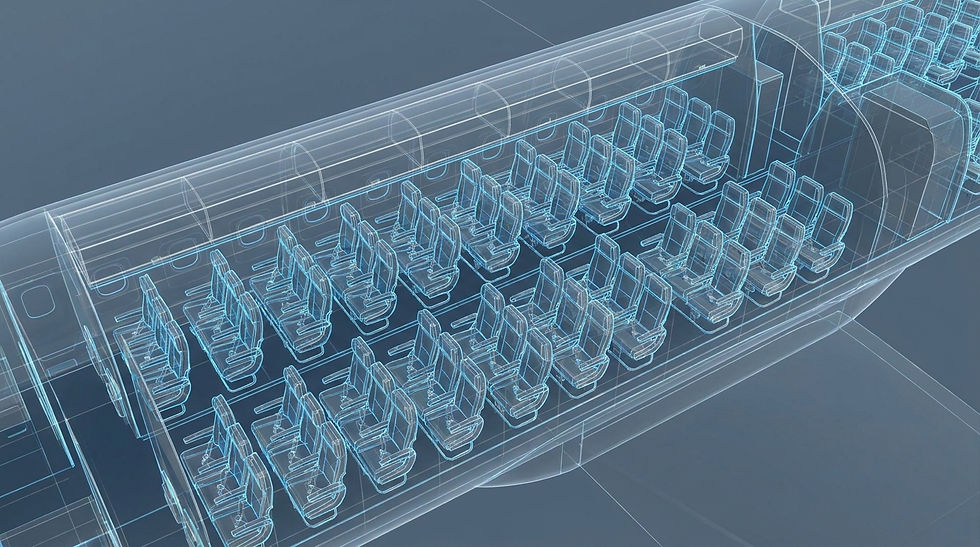
Enhancing Seat Selection with 3D Seat Maps
One of the most impactful applications of 3D visualization is the development of interactive seat maps.
Traditional seat maps often provide limited information, making it difficult for passengers to evaluate seating options. A 3D seat map allows users to visually explore the cabin and understand the differences between seats before making a selection.
Benefits include:
Improved seat selection confidence
Reduced booking uncertainty
Better visibility of premium seating options
Increased ancillary revenue opportunities
Enhanced customer satisfaction
For airlines, this creates a more engaging booking experience while encouraging upgrades and seat purchases.
Virtual Cabin Tours Create Stronger Purchase Confidence
Virtual cabin tours allow passengers to experience an aircraft cabin before traveling.
Whether exploring Business Class, Premium Economy, or Economy cabins, passengers can gain a realistic understanding of their travel environment.
This is particularly valuable for:
Long-haul flights
Premium cabin sales
New aircraft introductions
Airline marketing campaigns
By showcasing cabin products through immersive experiences, airlines can better communicate the value of their offerings.
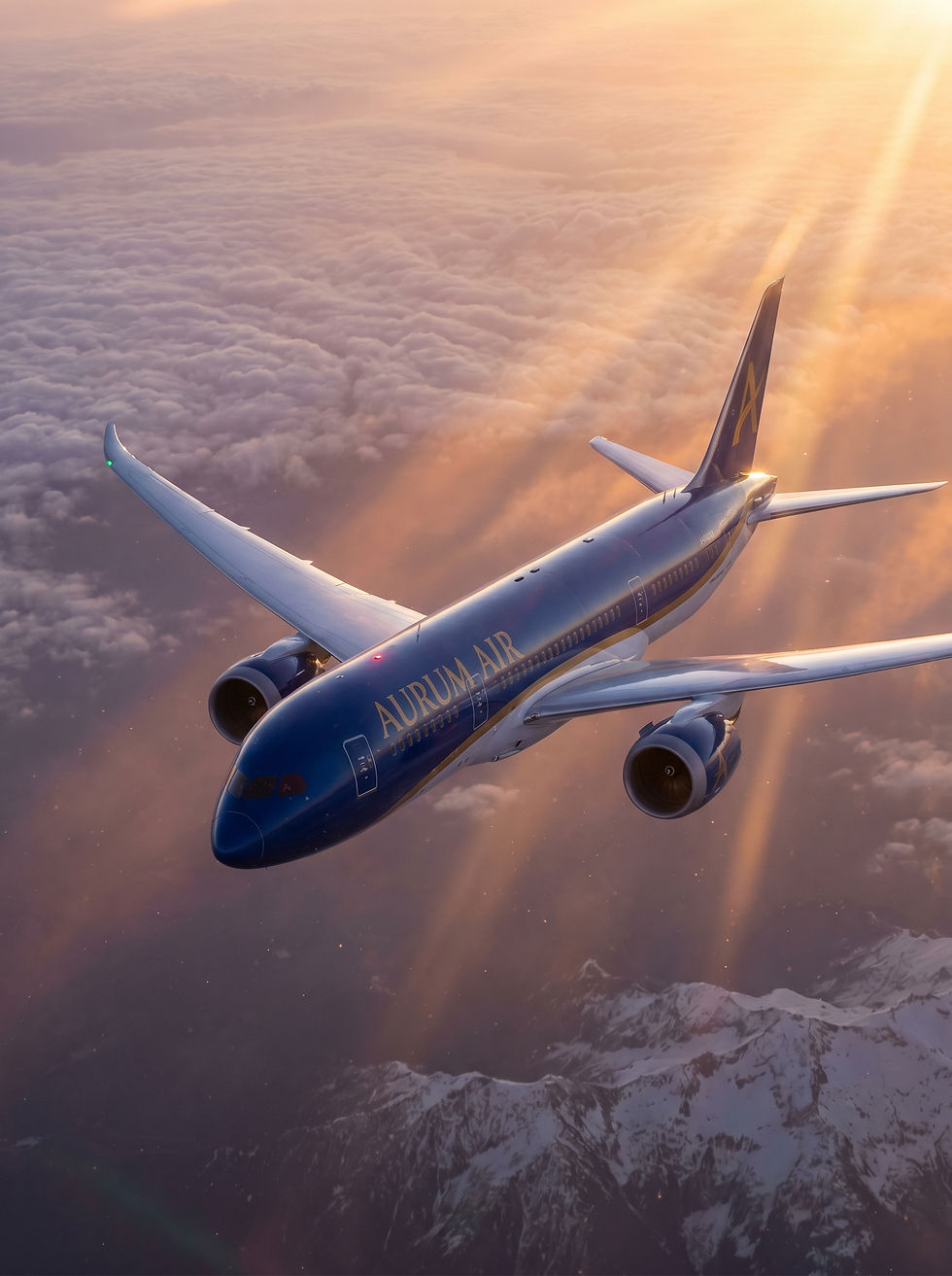
Supporting Airline Marketing and Brand Differentiation
In an increasingly competitive market, passenger experience has become a key differentiator.
Airlines investing in digital visualization can showcase their cabins across multiple channels, including:
Websites
Mobile applications
Booking engines
Sales presentations
Marketing campaigns
Social media content
High-quality 3D content helps airlines present a modern and innovative brand image while improving customer engagement.
The Future of Passenger Experience
Emerging technologies such as real-time rendering, digital twins, virtual reality, and interactive configurators will continue to shape the future of aviation.
Passengers will increasingly expect personalized and immersive digital experiences throughout the customer journey—from initial research to seat selection and onboard engagement.
Airlines that adopt advanced visualization technologies today will be better positioned to meet these expectations tomorrow.
Conclusion
3D visualization is transforming how passengers interact with airlines. From interactive seat maps and virtual cabin tours to immersive marketing experiences, these technologies help create more transparent, engaging, and customer-focused journeys.
As passenger expectations continue to evolve, 3D visualization will play a critical role in shaping the future of aviation and enhancing the overall travel experience.


Comments